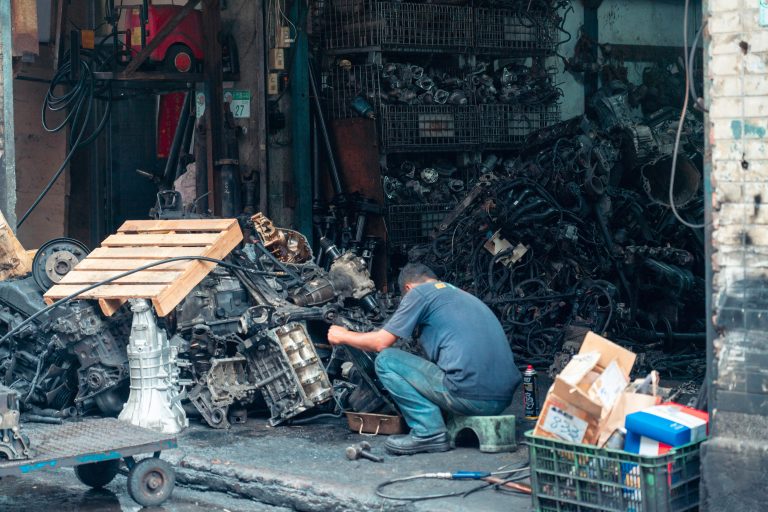
Everything You Need to Know About Buying Auto Parts
Buying auto parts is an essential part of vehicle maintenance, whether you’re replacing a worn-out part, upgrading a component, or fixing a malfunction. With numerous options available, it’s crucial to know what types of auto parts are available, where to buy them, and how to ensure that you get high-quality products at the best price. This guide will explore the different types of auto parts, the benefits of buying locally, how to save money, and what to look for when purchasing used parts.
Types of Auto Parts Available for Different Vehicles
Auto parts are categorized based on their function, the area of the vehicle they serve, and whether they are original or aftermarket parts. Understanding these categories can help you make an informed decision when purchasing auto parts.
1. OEM vs. Aftermarket Parts
OEM (Original Equipment Manufacturer) parts are made by the manufacturer of your vehicle. These parts are designed specifically for your car model, ensuring they fit and function as expected. OEM parts often come at a premium price but offer reliability and peace of mind.
Aftermarket parts are produced by third-party companies and can be less expensive than OEM parts. They are designed to work with various makes and models but may vary in quality. Some aftermarket parts are just as good as OEM, while others may not meet the same standards.
2. New vs. Used Parts
New parts are typically the best option if you’re looking for long-term reliability. They are often sold by dealerships or reputable suppliers.
Used parts, often sold by salvage yards or car wreckers, are second-hand parts taken from old vehicles. Used parts can be a more affordable option, especially for older or discontinued models, but it’s important to ensure they’re in good condition before purchasing.
3. Essential Car Parts
Engine Parts: Including components like the timing belt, alternator, and spark plugs.
Transmission Parts: Parts like the clutch, gearbox, and transmission fluid filter.
Brake Components: Pads, rotors, and calipers.
Suspension Parts: Shocks, struts, and control arms.
Electrical Parts: Battery, wiring, and alternators.
Benefits of Buying from Local Auto Part Dealers
When purchasing auto parts, buying from a local dealer can offer several advantages:
1. Quick Availability
Local auto part dealers usually have parts in stock or can order them quickly, reducing the waiting time compared to online retailers, especially if you need a part urgently.
2. Personalized Customer Service
Buying locally often means dealing with a team of knowledgeable professionals who can help you find the right part for your vehicle. They may also provide guidance on how to install the part or recommend trusted mechanics.
3. Supporting Local Economy
Purchasing from local dealers helps support your community and the local economy. It can also create jobs and contribute to sustainable practices by encouraging local businesses to thrive.
4. Better Return and Warranty Policies
Many local auto part shops offer more flexible return policies, especially if the part is defective or doesn’t fit. Local dealers may also offer warranties on parts, giving you peace of mind about your purchase.
How to Save Money on Auto Parts
Auto repairs and part replacements can quickly become expensive. However, there are ways to save money when buying auto parts:
1. Compare Prices
Before making a purchase, compare prices from multiple local and online suppliers. Prices for the same part can vary widely, and shopping around can help you find the best deal.
2. Consider Used Parts
Used auto parts can be a cost-effective option, especially for older vehicles. Many parts, like doors, mirrors, and tires, can still have plenty of life left in them when sourced from reputable salvage yards or wreckers.
3. Look for Sales and Discounts
Many auto part suppliers offer discounts, especially during sales events or promotional periods. Signing up for newsletters from your local suppliers can help you stay informed about special offers.
4. Buy in Bulk
If you need multiple parts for a repair, buying in bulk or as a set can often reduce the cost per part. For example, purchasing brake pads and rotors together as a kit may save you money compared to buying them separately.
5. Check for Refurbished Parts
Refurbished or remanufactured parts are often available at a lower price than brand new parts. These parts have been tested and restored to working condition, making them a great option for certain vehicle repairs.
Finding High-Quality Used Auto Parts
Used auto parts can be an affordable and reliable option if purchased from reputable sources. Here are some tips for ensuring you’re getting high-quality used parts:
1. Inspect the Part Carefully
When buying used parts, inspect them for signs of wear, rust, cracks, or other damage. For critical components like engines and transmissions, ask about the part’s history and whether it has been tested.
2. Buy from Reputable Salvage Yards
Not all salvage yards are created equal. Look for yards with a good reputation for selling high-quality parts and offering warranties on used items. If possible, ask for a guarantee that the part will work or get a refund if it doesn’t.
3. Research Part Compatibility
Ensure the used part you’re purchasing is compatible with your vehicle. While some parts, like wheels and seats, can be interchangeable across multiple models, others, such as engines or control modules, may require specific compatibility checks.
4. Ask About Warranty
Many salvage yards and used auto parts dealers offer warranties on their parts, which can provide reassurance in case the part fails prematurely. Always inquire about the length and coverage of the warranty.
FREQUENTLY ASKED QUESTIONS
Are aftermarket parts as good as OEM parts?
Aftermarket parts can be as good as OEM parts, depending on the manufacturer. It’s important to research the brand and quality before purchasing. OEM parts typically offer guaranteed quality and fit, while aftermarket parts may vary.
How can I tell if a used auto part is still good?
Inspect used parts for visible damage, excessive wear, or rust. Ask the seller for details about the part’s history and whether it’s been tested or refurbished. Reputable dealers will provide warranties on used parts.
Can I buy auto parts online and pick them up locally?
Yes, many online retailers allow you to purchase auto parts and choose a local store or warehouse for pickup. This can save on shipping costs and allow you to inspect the parts before purchasing.
What’s the difference between OEM and aftermarket auto parts?
OEM parts are made by the vehicle manufacturer, ensuring perfect compatibility, while aftermarket parts are produced by third parties and may vary in quality but can be less expensive.
Can I trust used auto parts?
Yes, if they are sourced from reputable salvage yards or dealers who provide warranties and test the parts for quality before selling them.
How do I ensure a good deal when buying auto parts?
Compare prices, consider used or refurbished options, and always check the part’s quality and compatibility before purchasing.
CONCLUSIONS
Buying auto parts can be an overwhelming experience, but knowing the types of parts, the benefits of buying locally, and how to find quality used parts can make the process easier and more affordable. Whether you choose new, used, OEM, or aftermarket parts, make sure you’re buying from reputable sources and comparing prices to get the best deal. With a little research and careful consideration, you can find the right parts for your vehicle at a price that fits your budget.